What to Fix Before Selling Your Birmingham Home
Life got full and the house waited. Here's an honest look at deferred maintenance before selling in Birmingham: where to spend and where to skip.
Mary Reed Durkin · May 27, 2026
Busy weekends with clients... heading to different college campuses every few weekends for parents weekend or a big game day... more frequent visits with parents who are getting older... somewhere in all of that, the house took a back seat.
Key Takeaways
- The goal before listing isn't to fix everything. It's to fix what buyers price into their offer and skip what they won't.
- What usually matters: roof condition and age, HVAC service records, any water-related issues, fresh neutral paint, and curb appeal.
- Small signals matter too. Doors that don't close, broken fixtures, and burned-out bulbs are cheap to fix and costly to ignore.
- What rarely pays off before selling: a full kitchen renovation, a full bathroom overhaul, or replacing all the flooring. Targeted updates beat gut jobs.
- Sometimes the smartest move is to prep the house and wait for the right moment rather than list before you're ready.
Now that the schedule has started to ease up, or has shifted altogether, the house projects have become a lot more obvious. You're looking at it differently. Maybe because you're not traveling every weekend the way you were, and you're home more, and you're noticing things you didn't have time to see before. Maybe because a conversation with a friend made you realize you've been sitting in a house that no longer fits. Maybe because you pulled up Zillow at 11pm and it got you curious about how your own home compares.
Whatever brought you here, the question is the same: what do you actually do about the deferred maintenance before you decide to sell?
Here's the honest answer.
The Question Every Seller in This Situation Asks
People in this moment almost always ask one of two questions.
First: should I fix everything before I list?
Second: should I just sell it as-is and price accordingly?
The real answer is rarely 100% one or the other. Selling as-is sounds simple, but it's worth knowing what you're leaving on the table. Buyers who make offers on homes with obvious wear and tear price what they can see into their offer, and they assume there's more they can't see yet. That's what shows up in the number. For most sellers, the right answer lives somewhere between those two options, and figuring out where requires an honest look at what you actually have, what the market in your neighborhood will support, and what a buyer is going to care about versus what they're going to overlook.
What Actually Matters Before You List
What I've seen over and over is that some things will directly affect what a buyer is willing to offer, and some things don't carry the same kind of weight. Every property is different, and every neighborhood is different. The goal isn't to fix everything. It's to figure out which items are costing you money by staying unaddressed, and which ones aren't worth touching before you list.
For example, roof condition and age usually matter. The condition of the HVAC systems usually matters: when they were last serviced, how old they are, whether you have records. Water-related issues of any kind matter. A ceiling stain from a leak that was fixed years ago is still a stain on the ceiling. Buyers see it and they start wondering what else they don't know. That's the story the house starts telling when those things aren't taken care of.
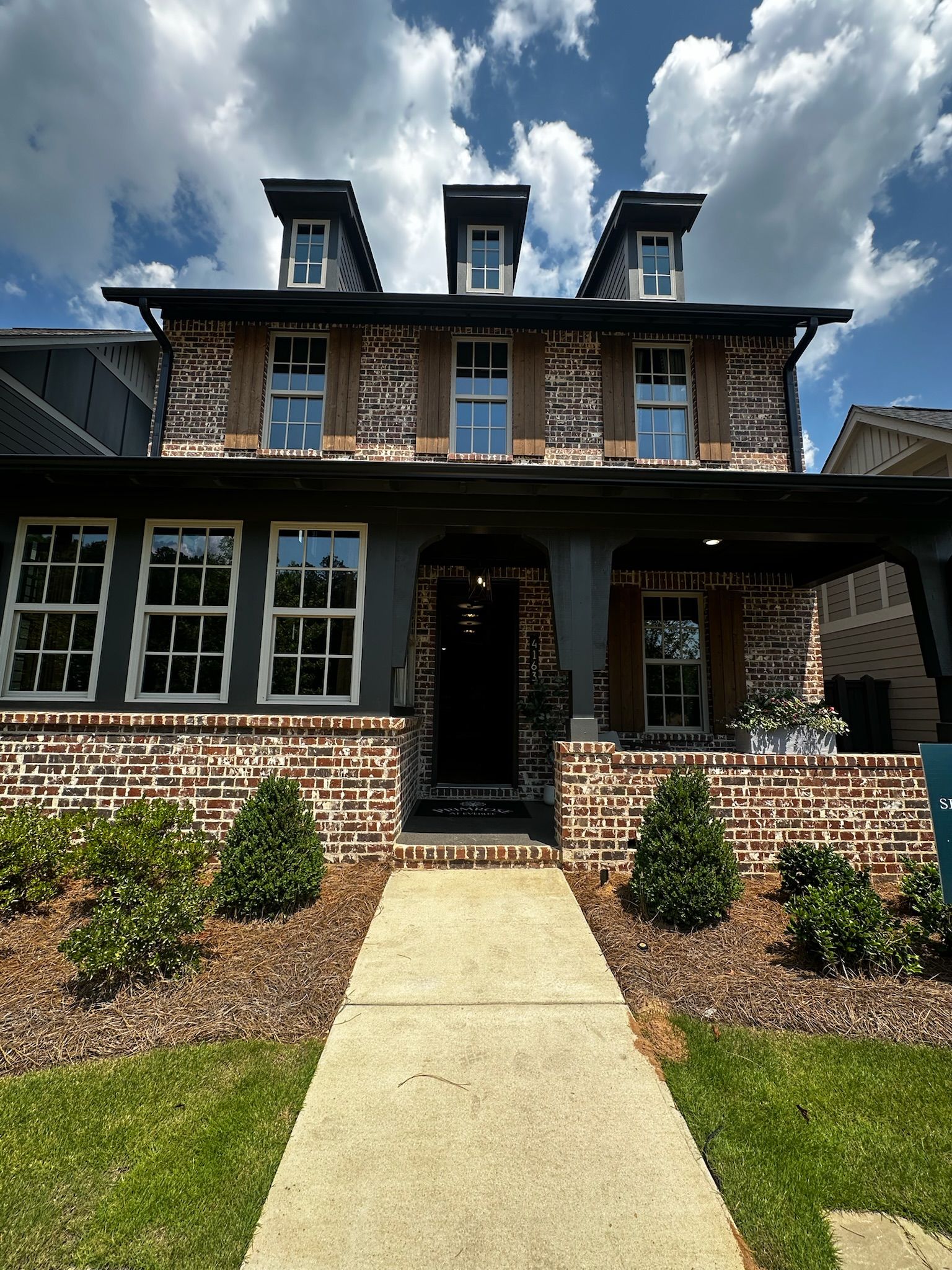
You only get one chance to make a first impression. A freshly painted front door, clean gutters, and landscaping that's tidy and intentional are what get buyers curious enough to walk through the door. None of that closes a sale on its own, but it opens the conversation. According to the National Association of Realtors, sellers typically see around a 7% increase in home value after improving curb appeal. It's not a flashy project. But it's what gets people inside.
Fresh neutral paint is consistently one of the highest-return investments before a sale. It's not exciting, but it works every time.
The small things matter. Doors that don't close properly. Fixtures that are broken or dated. Light bulbs that are burned out. These things signal to a buyer that the house hasn't been looked after, even when it has. They're inexpensive to fix, and the cost of not fixing them shows up in offers.
What Is Not Worth Your Time or Money
A full kitchen renovation before selling is a decision you'll want to think hard about. You'll almost never recoup your cost. Buyers want to choose their own finishes. But swapping out dated hardware, painting cabinets, or replacing a tired light fixture? That kind of targeted update makes a real difference at a fraction of the price.
The bathrooms are the same kind of judgment call. Functional and clean gets you a long way. But worn tile, dated fixtures, or a vanity that looks tired are worth evaluating before you decide to leave them. A small, targeted update here can shift how a buyer feels about the whole house, and it's worth weighing against what it costs to leave it alone.
New flooring throughout the house: almost never the right call before a sale. If the floors are in decent shape, have them cleaned or refinished if needed. Address specific damage where it exists. Replacing every floor before listing is an expensive bet that rarely pays off.
The principle: put your money where buyers will feel it.
When Listing Might Not Be the Right Answer Yet
Sometimes the most honest thing I can say is that now may not be the right time to list.
If life is still very much in motion, if the situation at home is fluid, if the next chapter isn't clear yet, if the house needs attention you're not ready to give it: listing before you're ready rarely ends well. A house that sits on the market sends a signal. And pricing it right requires being fully ready to go.
Getting the house ready and waiting for the right moment is sometimes the smartest thing you can do. That's not a failure of timing. It's a real strategy, and it's one I help clients think through all the time.
Where to Start
The best first step is a conversation. Not a renovation.
Before you spend a dollar, it helps to have an honest look at what the house is actually worth in today's Birmingham market, what buyers in your neighborhood care about, and what the path forward actually looks like. That conversation shapes everything else.
If you'd like to get a sense of the full selling process before we talk, the Seller Guide walks through it start to finish.
If you've been sitting with the deferred maintenance question and aren't sure where to start, reach out. Those are conversations I love having. Every seller's situation is different, and the goal is to look at it honestly together, weigh what makes sense to address before listing, and make the best decision for you.
Related Reading
Before deciding how much to spend on repairs, it helps to know what buyers in this market are actually paying: Birmingham Real Estate Market 2026 has the current inventory and pricing picture. And if you're weighing how much to invest before listing, What to Do With Your Home Equity in Birmingham in 2026 puts the financial side in context.
Frequently Asked Questions
What should I fix before selling my house in Birmingham?
Focus on what buyers price into an offer: roof and HVAC condition, any water issues, fresh neutral paint, and curb appeal. Fix the small signals too, like doors that stick, broken fixtures, and burned-out bulbs. The goal isn't to fix everything, it's to address what actually affects the offer.
Is it worth renovating a kitchen or bathroom before selling?
Usually not a full renovation. You rarely recoup the cost, and buyers want to choose their own finishes. Targeted updates work better: new hardware, painted cabinets, an updated light fixture, or a refreshed vanity. Those shift how a buyer feels about the home at a fraction of the price.
Should I sell my Birmingham home as-is or make repairs first?
Rarely fully one or the other. Selling as-is is simpler, but buyers price visible wear into their offer and assume there's more they can't see. For most sellers the right answer lives in between: address what buyers weigh most, skip what they'll overlook. An honest walk-through decides which is which.
Does curb appeal actually affect home value?
Yes. According to the National Association of Realtors, sellers typically see around a 7% increase in home value after improving curb appeal. A freshly painted front door, clean gutters, and tidy landscaping don't close a sale on their own, but they're what get buyers curious enough to walk through the door.
About the author
Mary Reed Durkin · Alabama Realtor
Every client I work with is in the middle of something: a new baby, a house that no longer fits, a parent who needs to be closer, a plan that just changed. I help buyers and sellers across Birmingham and Central Alabama move through those moments as a steady advocate in their corner, drawing on years in corporate communications, nonprofit leadership, and coaching before I ever sold a house. Homewood is home, my husband John and our three boys keep it loud, and Birmingham has had my heart for nearly 30 years.
Mary Reed Durkin is a licensed Alabama real estate agent with eXp Realty, LLC. Serving Birmingham and Central Alabama. This post reflects general guidance and is not legal, tax, or financial advice. For specifics on your situation, consult a qualified professional.